Exploring the World of Hall Effect Keyboards: A Comprehensive Guide
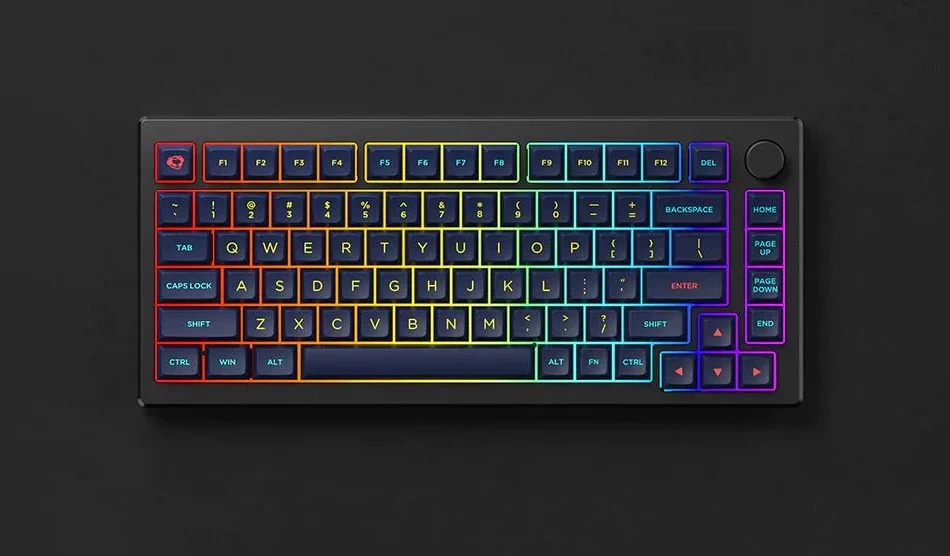
When it comes to keyboard technology, the evolution from traditional mechanical switches to innovative alternatives has been quite remarkable. Among these alternatives are Hall-effect keyboard switches, commonly known as “magnetic switches,” which provide a unique and advanced option for keyboard enthusiasts. Although these switches have been around since 1968, they initially faced cost and manufacturing complexity issues.
However, thanks to modern advances, they are becoming increasingly affordable, offering a viable and attractive alternative to well-known mechanical switches such as Cherry and Kailh. If you’d like to learn more and order one of these keyboards, go to hlplanet.com.
Hall Effect switches operate on a different principle than the conventional mechanical or optical switches. While mechanical switches depend on physical contact and optical switches use light to register key presses, Hall Effect switches leverage the Hall Effect principle. This principle involves detecting changes in electrical voltage induced by a magnetic field, allowing the keyboard to register key presses without any physical contact. This unique mechanism also finds increasing application in game controllers, broadening its appeal beyond just keyboards.
Popular Hall Effect switches include the SteelSeries Omnipoint and Wooting Lekker Hall Effect switches. Despite successful crowdfunding campaigns like the H1-Hera Hall Effect Keyboard, its availability remains limited as of March 2023.
Hall Effect keyboard switches represent a fascinating segment in keyboard technology, offering distinct advantages in terms of durability, response time, and innovative features. As production methods evolve and costs become more competitive, they are poised to gain further traction in the consumer market, particularly among gaming enthusiasts.